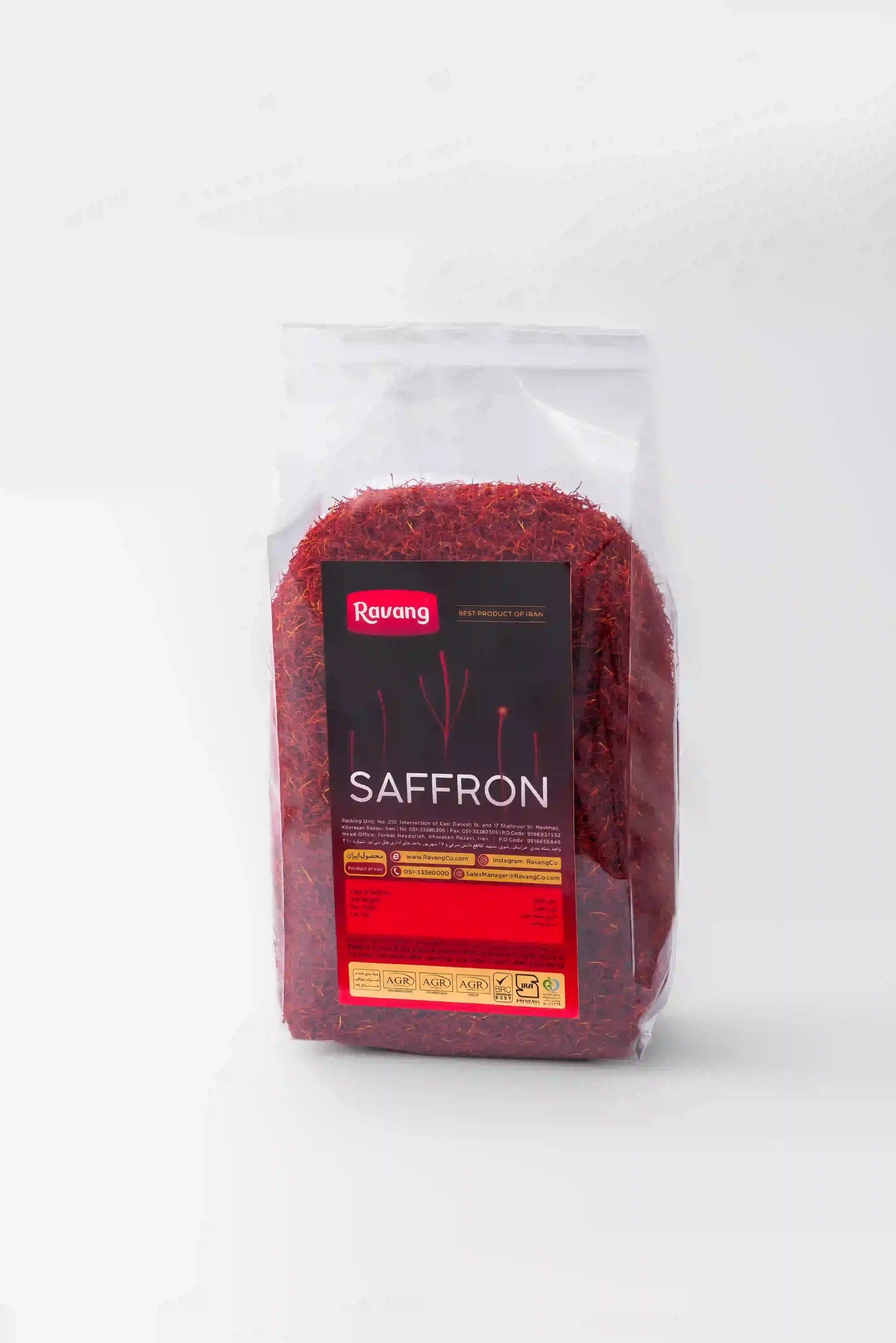
Saffron, a highly prized spice, is not only valued for its culinary uses and vibrant color but also for its bioactive compounds that can positively influence mental health. Recent studies suggest that saffron consumption may help reduce symptoms of depression and anxiety.
Key Bioactive Compounds
Safranal: Responsible for saffron’s aroma and flavor, it also helps stimulate serotonin release.
Crocins: Water-soluble carotenoids with antioxidant properties that may enhance memory and overall brain health.
Scientific Evidence
Clinical Studies: Daily consumption of 30 mg of saffron over 6–8 weeks has been shown to reduce mild to moderate depression symptoms—comparable in effectiveness to fluoxetine (a common antidepressant), but with fewer side effects.
Mood-Boosting Effects: Saffron can increase serotonin and dopamine levels in the brain, leading to improved mood and reduced anxiety.
How to Consume
Saffron Tea: 2–3 threads of saffron steeped in a cup of hot water daily.
Standardized Supplements: Capsules or powdered forms, typically 20–30 mg per day.
Saffron is more than just a spice; it is a natural, mild antidepressant that can be incorporated into a healthy lifestyle as a dietary supplement to support mental well-being.