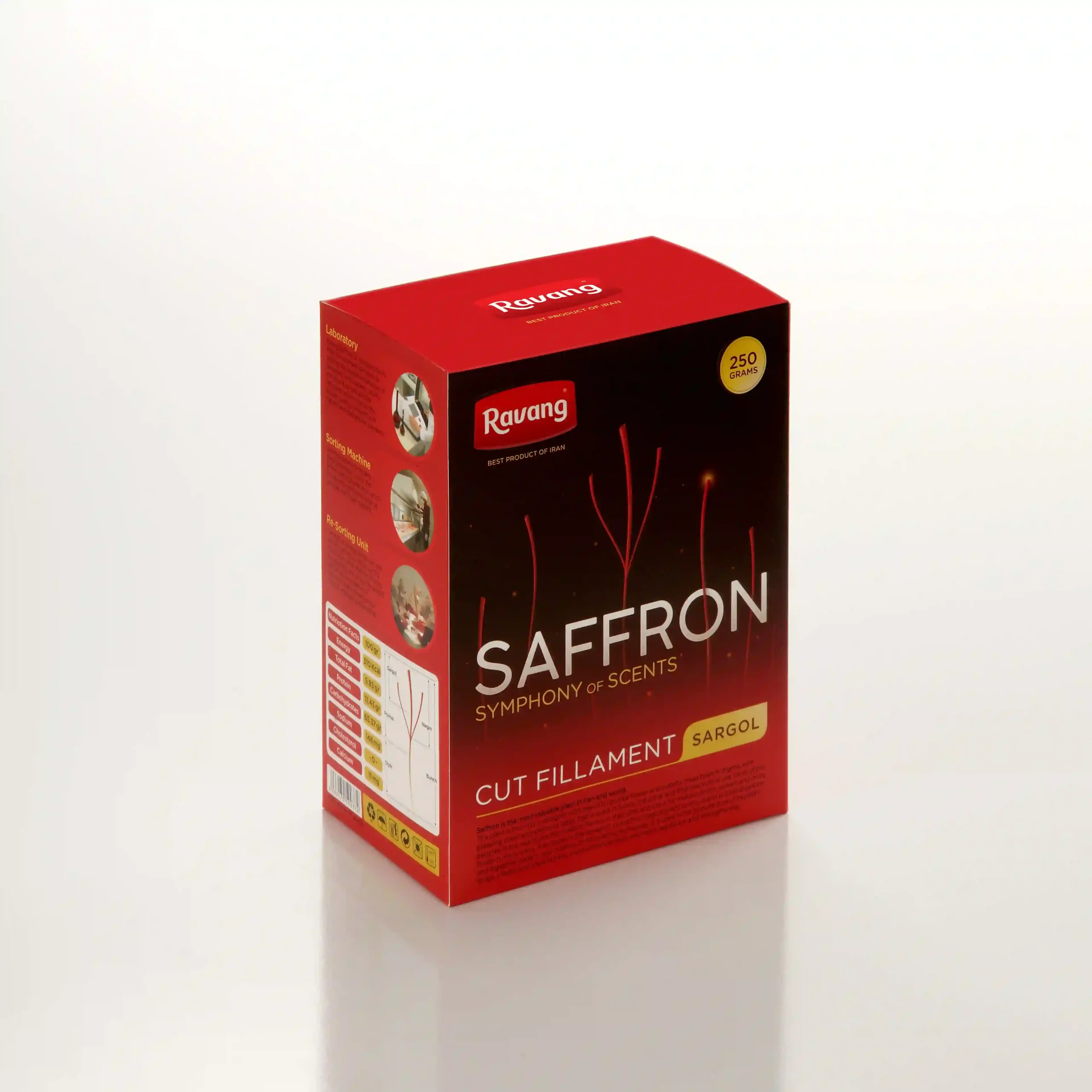
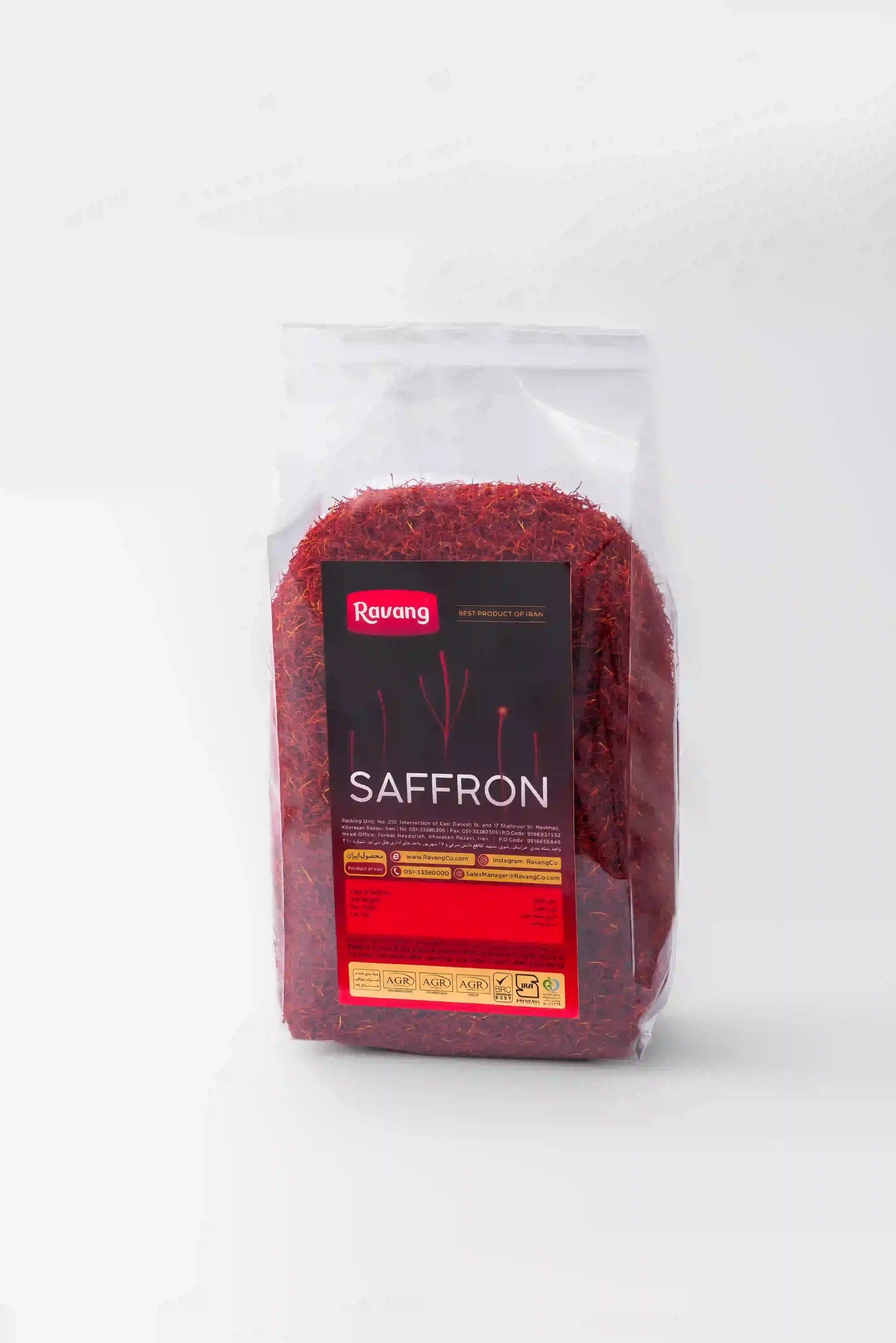
Here are some ways to distinguish natural saffron from fake saffron:
1. Appearance:
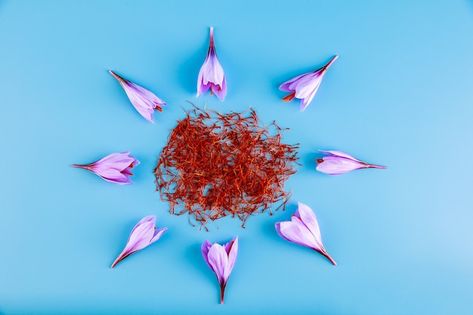
Color: Natural saffron threads are dark red with slightly orange tips. If the threads are yellow or white, it could be fake saffron.
Shape: Natural saffron threads are thin and typically triangular or scissor-like in shape. Fake saffron may be made from materials like artificial colors or corn threads that don’t resemble the shape of real saffron.
2. Water Test:
Cold Water: Natural saffron slowly releases its color into cold water, turning the water a pale yellow or orange. Fake saffron quickly releases color, turning the water a deep red or orange.
Hot Water: Natural saffron gradually colors hot water, but the threads remain intact and don’t dissolve rapidly. Fake saffron may dissolve quickly and release a lot of color.
3. Smell:
Natural saffron has a distinct, unique aroma that combines honey, hay, and earthy notes. If saffron smells weak or artificial, it may be fake.
4. Taste:
Natural saffron has a bitter yet slightly sweet taste. If the saffron tastes very sweet or lacks a flavor, it is likely fake.
5. Weight and Price:
Real saffron is very light and has minimal weight. If the saffron is heavy or priced much lower than the usual market price, it might not be genuine.
6. Baking Soda Test:
Mix a small amount of saffron with baking soda in water. If the water turns yellow, it is natural saffron. If the color becomes orange or red, it is likely fake.
These methods can help you identify real saffron from fake ones. However, the best way to ensure authenticity is to buy from reputable stores and trusted brands.